

Farming Is Not a Spreadsheet
The Farm Profitability Review Was Never Allowed to Be Honest

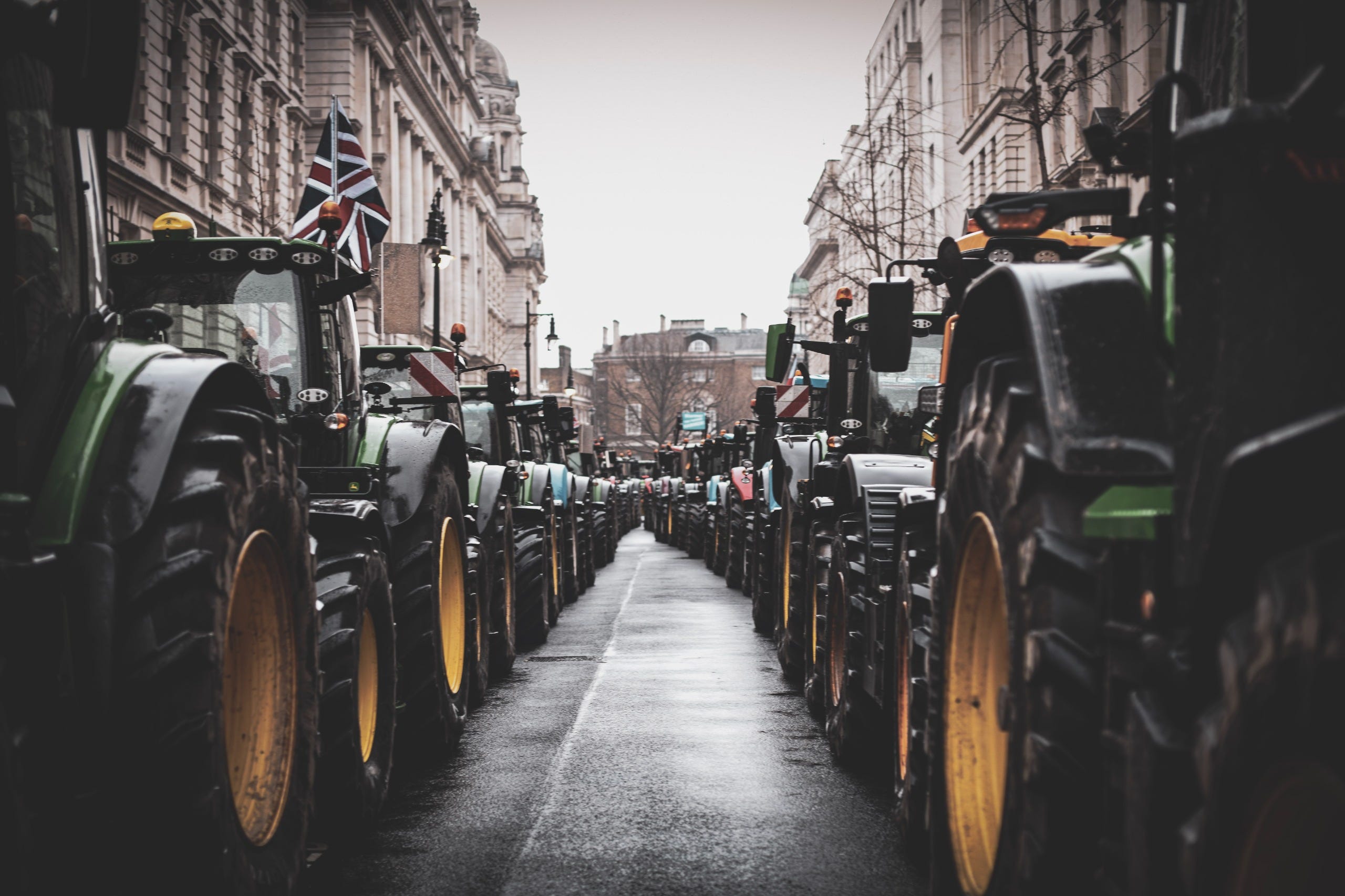
This report did not land with a bang. It landed with a thud, because it was delayed, drip fed, and treated like something to be managed rather than something the country needed to hear.
City A.M. reported that Whitehall sources claimed the Treasury wanted the Farm Profitability Review held back until after the Autumn Budget, with a government source saying there was no desire in the Treasury to reopen the debate on inheritance tax. The same reporting says the review was submitted to Defra at the end of October and was expected within weeks, but publication was pushed back, with the Environment Secretary committing to publish it before Christmas.
That matters, because this is not just a technical document. It is a government commissioned review into whether food production is still financially viable in the UK, published in the middle of an inheritance tax storm.
So before we even get into the recommendations, it is worth asking what it means when a profitability review is treated like a political hot potato.
What The Review is Trying To Do
The Farm Profitability Review is trying to do something quite simple on paper and very hard in real life. It sets out a route to more profitable farming by reducing costs and risk, improving market power, and building a clearer long term policy and investment environment.
It reads like a blueprint. It starts with the case for why farming needs to be treated differently to most of the economy, then moves into themed recommendations that are meant to work together.
The Themes that Matter Most:
Valuing food and farming properly
A core argument is that farming is routinely undervalued in national debates because the headline GDP number misses the wider value of primary production plus secondary processing.
The review pushes for government to measure that wider value and use it to inform policy.
Certainty, resilience, and viability
The review keeps coming back to certainty. Farmers can handle risk, but not permanent policy churn layered on top of volatile markets and rising input costs.
In the recommendations summary it calls for practical support aimed at resilience, including a scheme for those who have not previously accessed SFI, and an Active Farmer Principle so the farming budget goes to farmers.
SOILSHOT plus NATURE
This is one of the flagship ideas. It proposes a SOILSHOT plus NATURE taskforce to create a transformation fund and a credible framework for nature and soil outcomes that can unlock investment.
It also recommends mandating nature reporting for corporate businesses via TNFD, which is essentially about forcing the demand side to take nature risk seriously so money can move.
Partnership and delivery machinery
The review is not just a list of tweaks. It wants new delivery infrastructure, including a Great British FARM Advisory Board to increase and track sales of British raw ingredients across the four markets and to grow exports.
It also proposes scorecards and boards. If you can measure it, you can manage it. And if you can manage it, you can sell it as progress.
Supply chain fairness
The review treats supply chain fairness as central to profitability rather than a side issue. It frames the problem as the distribution of risk and reward, and the need for transparency and fair dealing.
People, labour, skills, tenants, and investment
There is a full section on people in farming, including skills and access to labour, plus a section on tenants, plus a section on tax incentives, grant schemes and investment.
One detail that matters is that the review explicitly notes the knock on effects of tax policy on investment decisions and the practical mismatch between farm business structures and the tax tools that exist.
Planning as a profitability lever
Planning is treated as an economic lever, not just a constraint. The review argues for unlocking planning for on farm reservoirs, green energy, and buildings, linking this to animal welfare, environmental outcomes, and the rural economy.
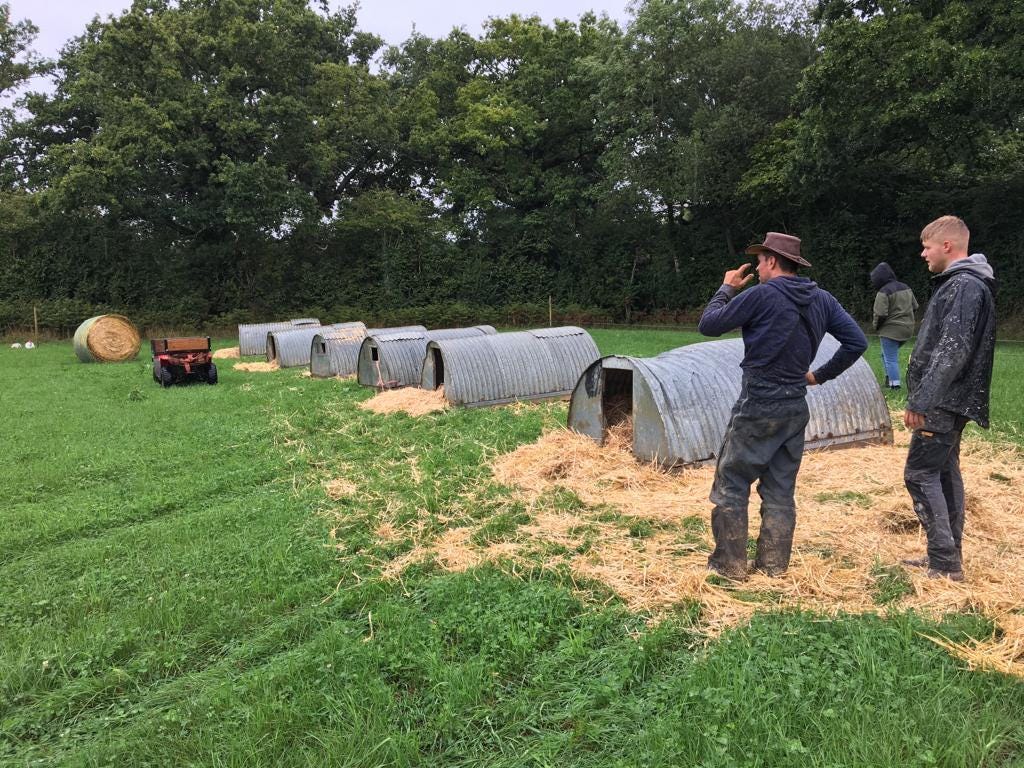
What The NFU Said, and What I Heard Underneath It
The NFU response is doing two things at once.
On the surface, it is supportive. It calls the review thorough and complex, says it will take time to digest it, and agrees that reform is needed. It also welcomes Defra’s five priorities, especially the new Farming and Food Partnership Board, planning reforms, supply chain fairness, private finance, and exports.
But read it properly and you can hear the subtext.
Tom Bradshaw frames the moment as a big shared national project. He links farm profitability to food security, to economic growth, and to the wider food and drink sector, which the NFU describes as worth 153 billion pounds and supporting more than four million jobs.
He also lists the pressures farmers are facing, including geopolitical uncertainty, trade deals, weather, price volatility, uncertainty around environmental schemes, and what he calls the unfair family farm tax.
Here is the problem. The NFU is very good at producing statements that sound like action while buying time.
Taking time to digest is not a plan. It is a holding pattern.
And the warm words about partnership boards and trade missions are exactly the kind of thing government loves because it sounds like progress without forcing anyone to change the fundamentals.
A new board does not make a litre of milk pay. A trade mission does not fix a broken contract. A planning reform headline does not magically build the reservoir, the shed, or the abattoir.
The NFU does at least land on the real pressure points. It says the ball is now in Defra’s court and calls for immediate actions, including clarity and certainty on the future of SFI and doing the right thing on inheritance tax.
That is the tell. All the boards and roadmaps in the world mean nothing if the sector is still stuck in limbo on the two things that shape day to day decisions.
One is whether the environmental schemes are real, stable, and workable.
The other is whether families feel safe investing in a business they are not sure they can pass on.
Defra’s five priorities read like a comms plan. They are not wrong, but they are not enough, and they are not new.
If Defra wants credibility, it needs to stop announcing structures and start delivering outcomes that farmers can feel in their bank accounts, their workload, and their ability to plan.
Because at the moment, partnership is starting to sound like another word for please calm down while we carry on.
What Farmers Are Saying
A really telling response has come from farmers themselves, in an emergency episode of Meet the Farmers, The Big Debate recorded right after the review dropped.
They are clear they have not read all 155 pages yet, but the initial reaction is still useful because it shows what is landing emotionally and politically.
They talk about the review as a potential reset, and one that feels overdue. One of them says it almost feels like the report we should have had straight after Brexit, which is exactly the point. This is not new pain. It is old pain that has been allowed to fester.
They also pick up on the British brand thread, and the idea of setting a big export target, with one of them saying that 30 percent is massive and maybe not achievable, but having a target matters. That is a very farmer response, sceptical but practical.
And they keep coming back to the same thing the review itself cannot escape. Trust. They describe the relationship between farmers and government as at an all time low, and they are blunt that recommendations are easy, action is the hard part.
What I found most revealing is how quickly the conversation slides into the machinery of government and the civil service, and whether Defra is actually open to farmer input or just building another layer of process.
That is the risk with this whole review. It can become a reset, or it can become another document that creates new acronyms and new boards while farm businesses keep haemorrhaging cash and confidence.
If Defra and the NFU want farmers to believe this is different, they need to show it in the only language that counts.
Certainty, fair dealing, and money that actually reaches active farmers.
The Inheritance Tax Gag Order and Why It Matters
Additional reporting in The Telegraph adds important colour and extra claims that help explain why this review has landed the way it has.
The Telegraph claims Baroness Batters was blocked from investigating the impact of inheritance tax on farm profitability, despite it being described as the number one concern among rural businesses. It also claims that nearly all responses to the review cited inheritance tax as the single biggest issue regarding farming viability.
Separately, the review itself states that forthcoming changes to Agricultural Property Relief and Business Property Relief from inheritance tax were raised as one of the most significant concerns, and that the issue attracted major protests.
Crucially, the review also states that it was made clear in the terms of reference that it was not for the review to offer proposals to government on inheritance tax, while also saying it could not write the review without reference to it.
If inheritance tax is one of the biggest live wires in the sector, and the review is explicitly not allowed to propose solutions on it, then this is not a full profitability review. It is a profitability review with one hand tied behind its back.
That matters because inheritance tax is not a niche issue. It shapes succession planning, investment horizons, borrowing decisions, tenancy structures, and whether families feel safe putting money into the business.
So you end up with a document that is trying to build a new deal for profitable farming while being unable to address one of the policies currently dominating farmer decision making.
It creates a credibility gap. The review acknowledges the fear and the protests, signals sympathy, says it cannot propose solutions, and then moves on to other levers.
That is not a minor omission. It is a structural hole in the analysis.
Helen’s Perspective
I am going to say this as plainly as I can.
You cannot commission a review into farm profitability, listen to farmers tell you that inheritance tax is the single biggest thing keeping them awake at night, and then tell the person writing the review that they are not allowed to touch it.
That does not read like an independent review. It reads like a managed exercise.
And it matters because profitability is not just a spreadsheet problem. It is a confidence problem.
But I also want to say something else, because this is where reviews like this often quietly go wrong.
They are nearly always biased towards commercial scale farming. Not because anyone sits in a room and says we only care about the big players, but because the whole policy machine is built around scale. Scale is easier to measure, easier to fund, easier to report on, and easier to sell as progress.
Small scale farms and agroecological systems do not fit neatly into that mindset. They are more diverse, more local, more human, and often more fragile financially. They can be brilliant at building soil, biodiversity, animal welfare, and community resilience, while still being punished by the market for not being big enough to bargain, not being uniform enough to supply, and not being loud enough to lobby.
That is why I appreciated the Meet the Farmers discussion, and especially the perspective from an organic dairy farmer, Sophie Gregory who is connected to organisations like the Sustainable Food Trust. It is a reminder that profitability is not just about producing more. It is about who gets to survive, and what kind of farming we are choosing to keep.
Which brings me to the advisory board idea.
On paper, another board sounds harmless. In practice, it is worrying, because we all know how this tends to go with Defra. The seats end up filled by the big corporate giants and the factory farm interests, and then we are told that the industry has been consulted.
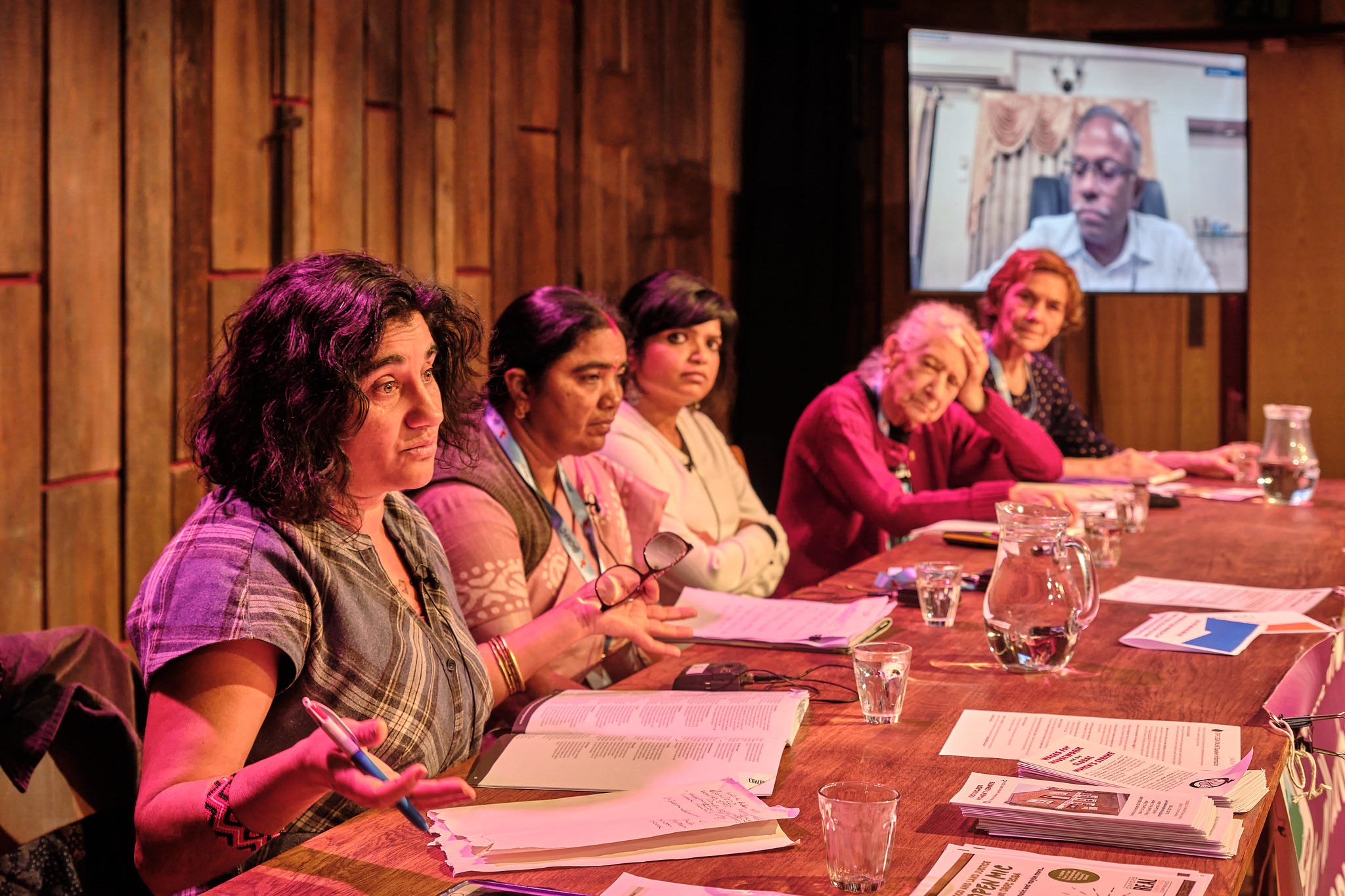
If government genuinely wants a profitable farming sector, it needs to stop building rooms where the same powerful voices get heard the loudest, and start designing policy that works for the smallest farms too.
That means support that is accessible, not just competitive. It means schemes that do not require a full time admin person to apply. It means supply chain rules that protect the weak, not just the already organised.
If Defra wants to rebuild trust, it needs to stop announcing structures and start delivering things farmers can actually plan around.
A clear, stable SFI offer with dates, payment levels, and fewer moving parts
Fair dealing rules with enforcement that bites, not guidance that can be ignored
Support that tenants and smaller farms can access without needing specialist consultants
A public delivery timeline that names who is accountable, and when
Because at the moment, partnership is starting to sound like another word for please calm down while we carry on.
If you want trust, you have to stop asking farmers to be world class while treating them like an inconvenience.
If you want a profitable farming sector, you have to be brave enough to look at the policies that are actively undermining confidence, and you have to design support that keeps small scale and agroecological farms in the game.
Outreach note
If you want to hear farmers reacting in real time, I really recommend this emergency episode from Meet the Farmers, The Big Debate, recorded right after the review dropped.
It is a good reminder that the question is not whether the recommendations sound nice, it is whether anyone is going to act on them.
Sources
Treasury ‘buries’ farming report until after Budget in inheritance tax blow - City AM
Report right to recognise reform is needed – farm profitability review published - NFU Online
Meet the Farmers, The Big Debate
Labour gagged me on IHT, says farming report author - The Telegraph, Patrick Galbraith
Farming Profitability Review 2025: an independent review - DEFRA
If just 5% of my readers tipped £1/$1 this essay would pay for itself in terms of time spent working on it.