


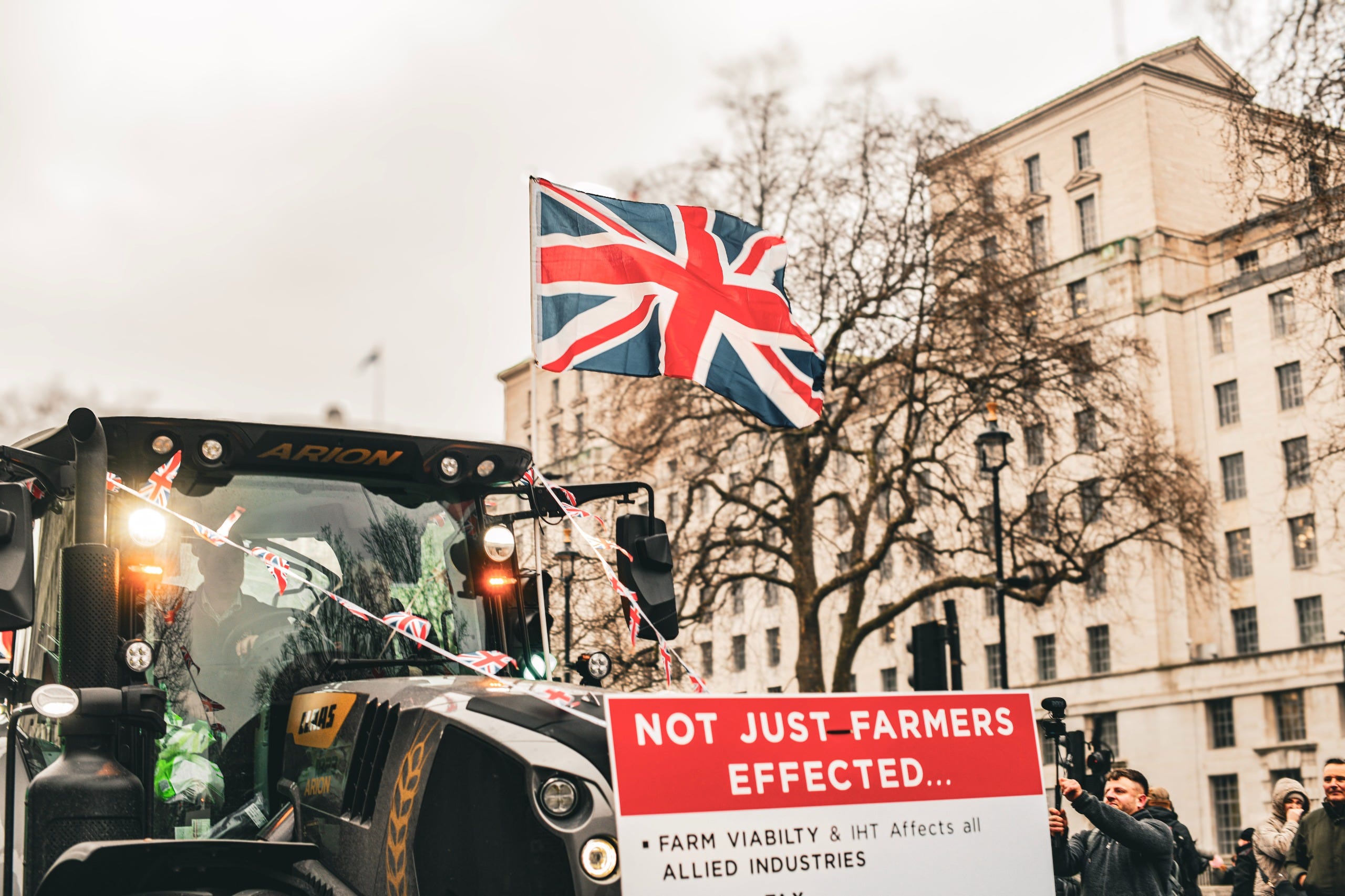
If you have seen headlines about farmers protesting in London, you might be wondering what is really going on. The answer, in short, is inheritance tax and a set of new rules that could change the future for thousands of small family farms across the UK.
Here is a clear look at what is changing, why it matters, and what is truly at stake for the people who grow our food.
What’s Actually Changing (The Reality for Family Farms)
This is not just about the biggest estates. The new inheritance tax rules are a threat to almost every generational family farm I know.
From April 2026, the government will cap full inheritance tax relief for farmland and farm business assets at £1 million per person. No matter how long your family has worked the land, only the first £1 million can be passed on tax-free. Anything above that only gets half relief, so families face a real risk of a big tax bill on land and assets above the threshold.
For married couples or civil partners, the Budget now allows the £1 million allowance to be transferred between spouses. If one partner dies without using their allowance, the surviving spouse can combine both, giving a total of £2 million in relief when passing the farm to children. This is new, but only helps if the farm is jointly owned or the first partner left everything to their spouse.
The nil-rate band, the first £325,000 of any estate, is also transferable between spouses. This is not new, but it means a couple can pass on up to £650,000 in non-farm assets tax-free, on top of the agricultural relief.
In reality, most working farms will easily exceed these thresholds. Land values have soared. Even a modest farm with a house or a few buildings can quickly pass £1,000,000, or even £2,000,000 for a couple. My own agricultural land is valued at approx £300,000. If we built a house or added outbuildings, we would be over the threshold. Most generational farms, especially those with diversification or in the South of England, are at risk.
Diversification puts more families at risk. Many farms have had to diversify with holiday lets, shops, events just to survive. The irony is that these efforts often push the total value over the threshold and may not even qualify for relief.
The government claims most small farms are protected, but this is misleading. The NFU has made it clear that the new rules fall far short of protecting rural communities. NFU President Tom Bradshaw says
“It is good to see the government accepts its original proposals were flawed. But this change goes nowhere near far enough to remove the devastating impact of the policy on farming communities. It does nothing to alleviate the burden it puts on the elderly and vulnerable. It does not go anywhere near far enough in protecting the working people of the countryside.”
The policy risks forcing more families to sell land, livestock, or the entire farm just to pay the tax bill. This is not just about numbers. It is about whether independent farming in Britain survives the next generation.
In short, these changes put the future of most family farms at risk. The new allowance is out of step with real land values and ignores the reality of modern farming. The so-called concession to combine allowances is too little, too late for many of us. This is why farmers are protesting, and why this story matters for everyone who cares about where their food comes from.
Who Is Most Affected?
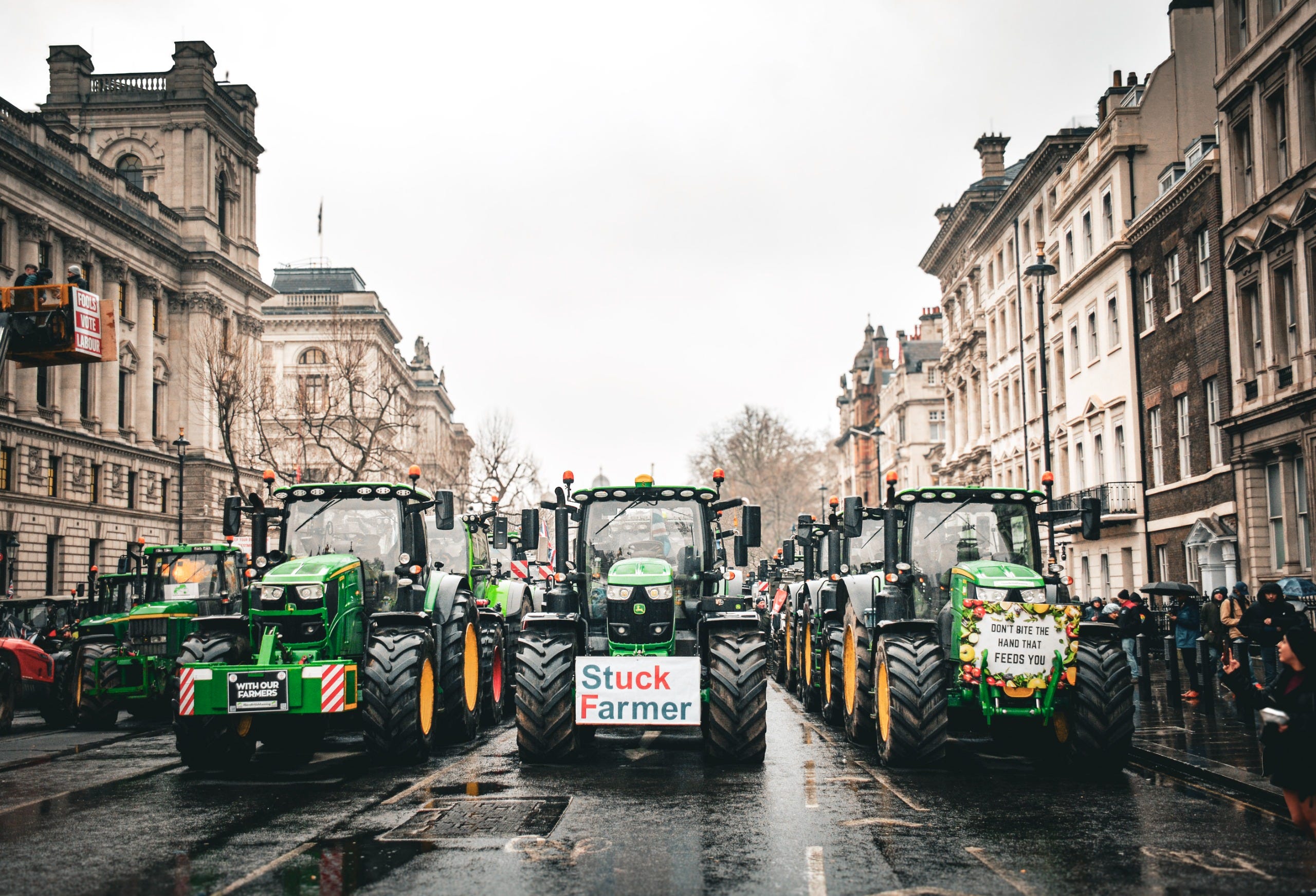
Centax estimates that between four hundred and eighty and six hundred farm estates a year could be hit with higher tax bills if nothing changes. The government says most farm estates will not pay more, but that still leaves hundreds of families facing impossible choices.
AHDB explains how these rules especially impact farms that have diversified those who run events, farm shops, or let out cottages to survive. If those parts of the business do not qualify for relief, families could end up with a big tax bill and little cash to pay it.
Why Are Farmers Protesting?
For many, it is about survival. Martin Lines of the Nature Friendly Farming Network says these changes make succession and long-term planning even harder. If the only way to pay the tax is to sell land or livestock, the next generation may never get their chance to farm.
The fear is that, as more family farms are forced to sell, big investors and corporations will buy up the countryside, eroding local food systems and rural communities. Over six thousand family farms have already closed this year, and there is real anxiety that these changes will accelerate that trend.
Who’s Really Listening?
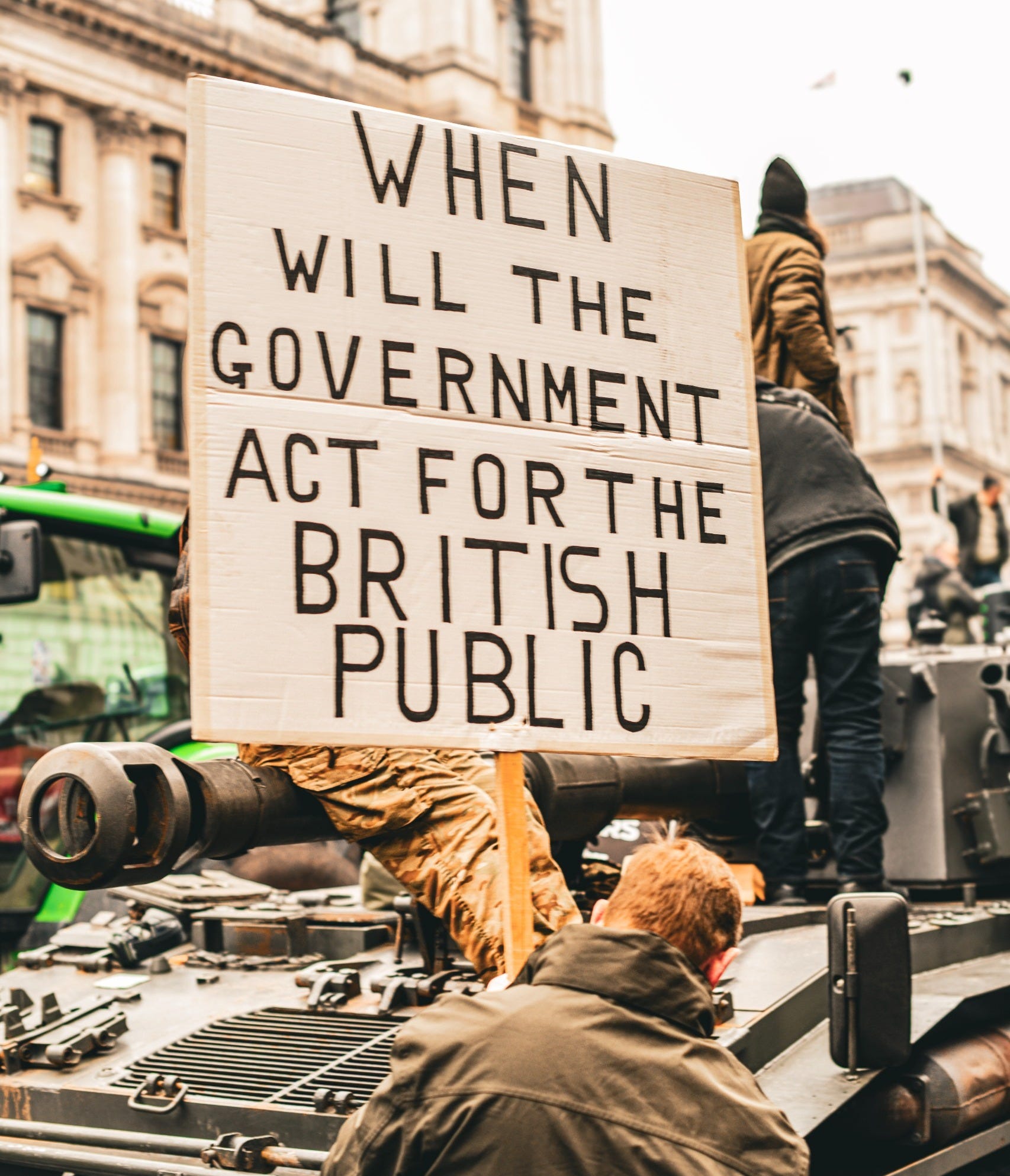
Inheritance tax reforms have not just divided farmers. They have sparked a political row. Just last week, Labour MP Markus Campbell-Savours was suspended from his party for voting against the so-called tractor tax, siding with family farms over the official party line. His stand shows how heated and personal this debate has become, not just for those of us living it, but for politicians as well.
For many, this was a rare moment of solidarity in Westminster with the farming community. It is a reminder that, while party politics often feels disconnected from rural life, there are still individuals willing to risk their careers to support family farms.
What Does This Mean for Everyone Else
Even if you are not a farmer, these changes touch all of us. Family farms are the backbone of British food. They care for the land, support rural communities, and produce much of what ends up on our plates.
Losing more family farms means more imported food, less local choice, and weaker rural economies. When farming becomes something only the wealthy or corporations can afford, we all lose a little bit of our food security and heritage.
My Perspective
Farming is being dismantled from the top down.
The changes to inheritance tax are just one piece in the puzzle. New environmental policy allows housing developments to be pushed through without challenge. Land use policy is actively set out to reduce agricultural food producing land by 10%. Supermarkets keep raising prices but that is not translating to better pay for farmers. The living wage keeps going up so farmers cannot afford to hire help. The loss of basic payment subsidies and now the temporary closure of the SFi scheme, substandard imports flooding the market, all these things affect our farmers.
Our country does not produce enough food to be self-sufficient. Even at unfair prices, we cannot afford to lose more farmers. The government, of course, wants us to import our food. Cheaper food and import taxes mean more money for government coffers while supermarkets charge high prices every year, blaming farmers and lining their own pockets. It is lose-lose for the people who feed us and for the consumer.
We need a food rebellion. In a recent interview with Farms Not Factories, Welsh hill farmer and activist Gareth Wyn Jones said:
“Let’s start a farming food revolution right here, right now. And it can never happen until the public get behind the farming industry.”
I could not agree more.
We need farmers and farmers need consumers.
Want to Know More or Share Your Story
If you have questions or want to share your own perspective whether you are a farmer, a consumer, or just someone who cares about where their food comes from, please reply or leave a comment. I would love to hear your thoughts, and I am always happy to help explain more.
Sources and References
UK Government What are the changes to agricultural property relief - Gov UK
The Impact of Changes to Inheritance Tax on Farm Estates - Centax Policy Brief
Rachel Reeves hands farmers inheritance tax break - The Guardian
Martin Lines on how tax changes will impact farmers - Nature Friendly Farming Network
Labour MP suspended for voting against family farm tax - The Independent
NFU response to Budget 2025 - NFU Online
Excellent article. I appreciate the clear presentation of what is, for me, new information. I first had to look up how £1 million translates into U.S. dollars! But the truth is, I have no idea how inheritance taxes work in this country either, as if the cost of farming isn't already enough -- so now I'll go read up on that. What struck me as unfair was penalizing people for trying to find ways to sustain their huge investment of time and labor through diversification, which can also serve as a good promotional tool. What happened to the idea of supporting self-sufficiency and self-help? Thanks especially for that last section, "My Perspective." That really brought home the significance of these inheritance tax changes in the context of the bigger picture.