


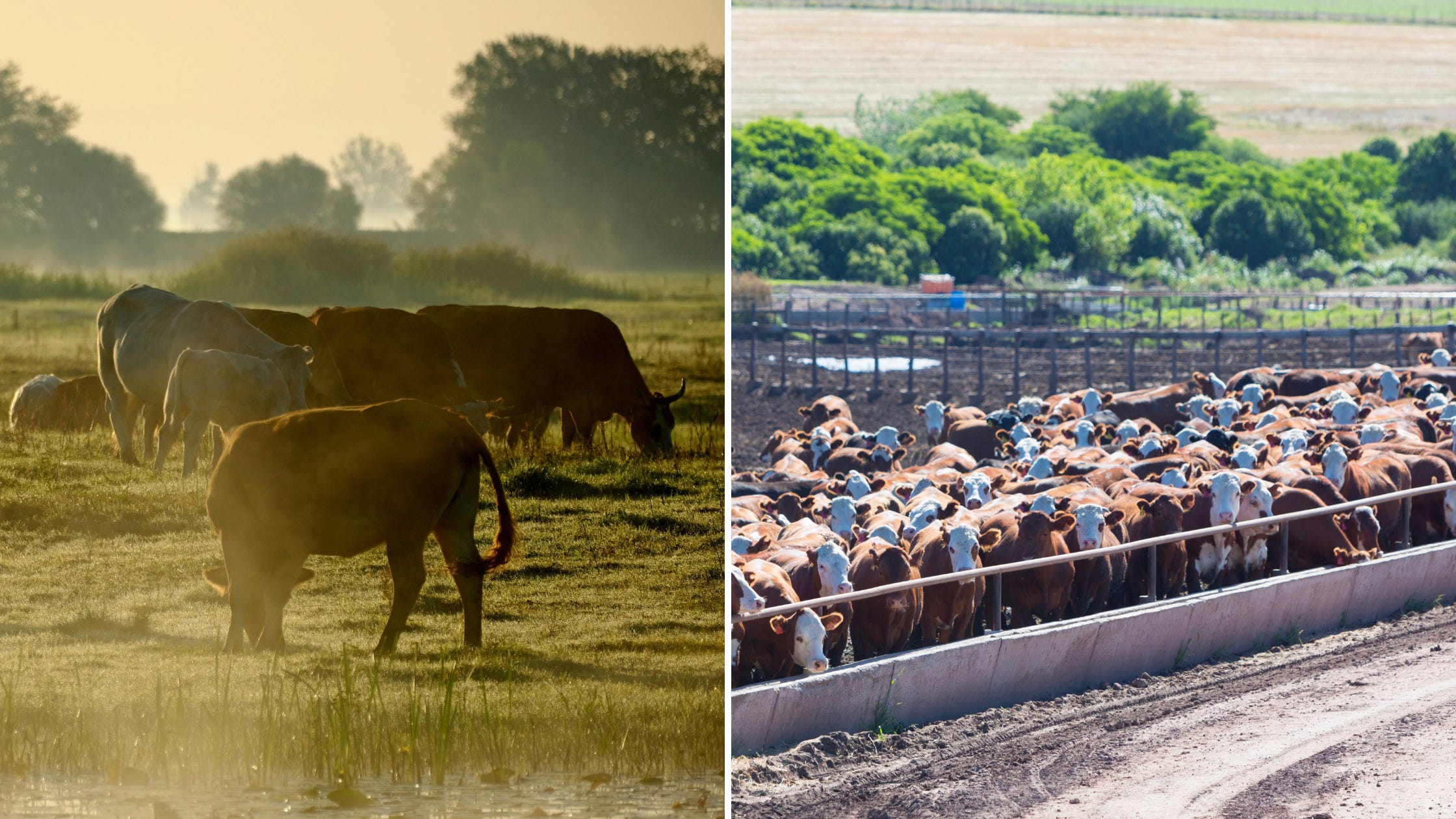
When I wrote about COP30 at the start of the summit, I said I would be watching how animal agriculture was talked about and who got to tell that story. Now that Belém has emptied out and the headlines have moved on, I keep coming back to one uncomfortable truth.
The loudest voices on livestock were not the farmers trying to change how they work. They were the corporations who helped create the problem, now rebranding themselves as part of the solution.
The Civil Eats piece on JBS captured this perfectly. JBS is the world’s biggest meat company, a major driver of deforestation and methane emissions, and it arrived at COP30 leading a food systems working group that produced climate policy recommendations for governments. The language was smooth: Climate smart agriculture, productivity gains and voluntary partnerships. Case studies of Green Offices in Brazil and traceability projects that promise to clean up supply chains.
At the very same time, investigations and lawsuits were calling JBS a climate super polluter. Brazil’s own environmental agency had fined the company for buying cattle from illegally deforested land. Mighty Earth and the New York Attorney General accused it of greenwashing net zero claims. Changing Markets pointed out that the company’s roadmap does not touch the vast majority of emissions in its supply chain.
Yet at COP30, JBS was presented as a serious voice on how to fix the food system.
Set that next to what groups like Compassion in World Farming and World Animal Protection were doing in Belém and the contrast is stark. CIWF went to COP30 to shine a light on factory farming and to call for urgent action to transform food systems. They brought Brazilian farmers to speak about extreme flooding that killed over a million farmed animals. They talked about nitrogen pollution, planetary boundaries, and the need to shift towards agroecology. Their message was simple. You cannot meet climate goals while expanding industrial animal agriculture.
World Animal Protection said the same thing in even plainer terms. They called COP30 the COP of truth and then pointed out the truth nobody in the AgriZone trade show wanted to hear. We cannot tackle the climate crisis while turning our backs on the destruction and suffering caused by industrial animal agriculture. They reminded everyone that agriculture is the second largest source of global climate emissions after fossil fuels, and that industrial livestock is a major driver of deforestation in the Amazon and Cerrado.
Both organisations pushed for a just transition away from factory farming and towards food systems that protect animals, support small scale farmers and reduce emissions. Both highlighted agroecology as a key part of the solution. Both warned that big agribusiness has a stranglehold on the climate debate.
And they are right. A joint investigation from DeSmog and The Guardian found that over 300 industrial agriculture lobbyists attended COP30. JBS and other meat giants hosted panels with titles like “Can Animal Agriculture Drive Sustainability Solutions”. They promoted controversial methane metrics that would allow them to report lower emissions without shrinking herds. They filled the AgriZone with glossy exhibits that Changing Markets described as designed to burnish agribusiness’s image rather than drive real reform.
Meanwhile, the Belém Political Package failed to commit to ending deforestation for agriculture or to regulating methane from meat production. Food systems finally appeared in the text, and there was some recognition of small scale farmers, but animal welfare was nowhere to be seen. The root cause, industrial animal agriculture, was largely left untouched.
So where does that leave those of us who believe in livestock farming, but not in this version of it.
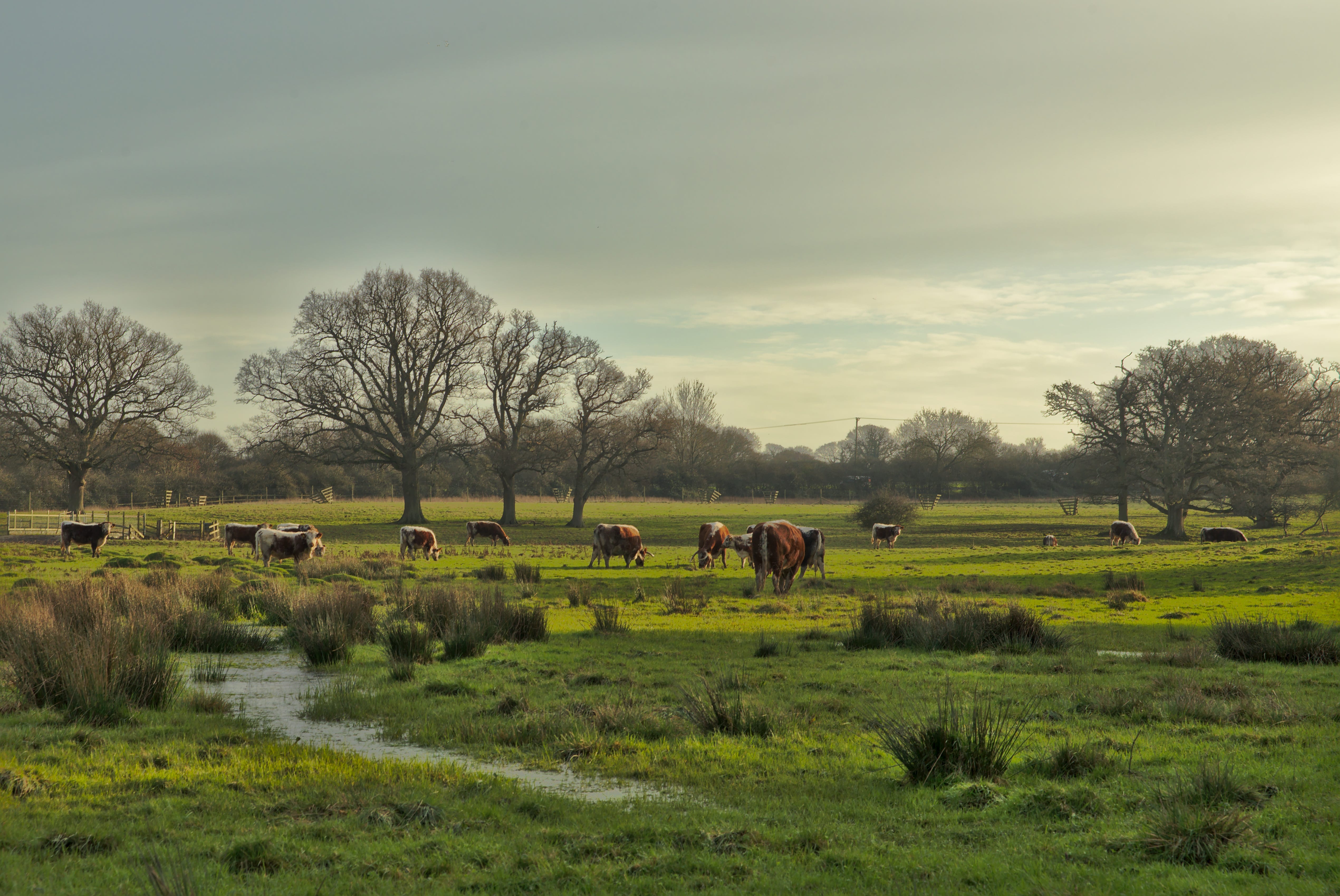
For me, COP30 confirmed that we have to draw a very clear line between two very different futures.
In one future, meat giants like JBS succeed in selling themselves as climate champions. They keep expanding production, tweak their accounting with new methane metrics, plant a few trees, fund a handful of pilot projects and carry on much as before. Forests remain under pressure. Rural communities continue to live with floods, droughts and pollution. Small farms are squeezed out. The public is told that the problem has been solved because the branding on the packet has changed.
In the other future, we take seriously what farmers are saying. We accept that nature is the best teacher. We stop treating animals and ecosystems as collateral damage. We shift public money and political attention away from factory farms and towards agroecology, pasture based livestock and mixed farming. We design a just transition that supports workers and farmers to move out of industrial systems into something more humane and more resilient.
I know which future I want to fight for. It is not a future without livestock. It is a future without factory farms.
Where we go from here
If you are reading this as a paid subscriber, you are already part of that work. This space is where I can step away from headlines and hashtags and look properly at livestock farming itself. Not as a single block called animal agriculture, but as a set of very different systems with very different outcomes.
Over the next few months I will be using this paid section to explore questions like:
How livestock fits into organic, agroecological and regenerative farming in practice.
What genuinely pasture based, high welfare systems look like on real farms.
Where the line sits between honest marketing and greenwash in meat and dairy.
What a fair transition away from factory farming could look like for farmers, workers and rural communities.
Alongside that, I will keep doing what many farmers do not have the time or headspace to do. I will read the long reports and policy documents, follow the money, and then write up a clear take on what it all means for people who actually keep animals or care about where their food comes from. Those Ag report synthesis pieces will remain free, and my unfiltered opinion on them will stay paid only.
If this resonates with you, the most helpful things you can do are simple. Share this post with someone who cares about farming & our food systems, and add your thoughts in the comments.
Tell me what you want to understand better. Organic standards. Grass fed labels. Methane metrics. Supermarket contracts. Nothing is too basic and nothing is too technical.
Your questions will shape the next pieces in this series. Your support is what allows me to keep writing honestly about livestock, not just climate targets.
Well said Helen!