


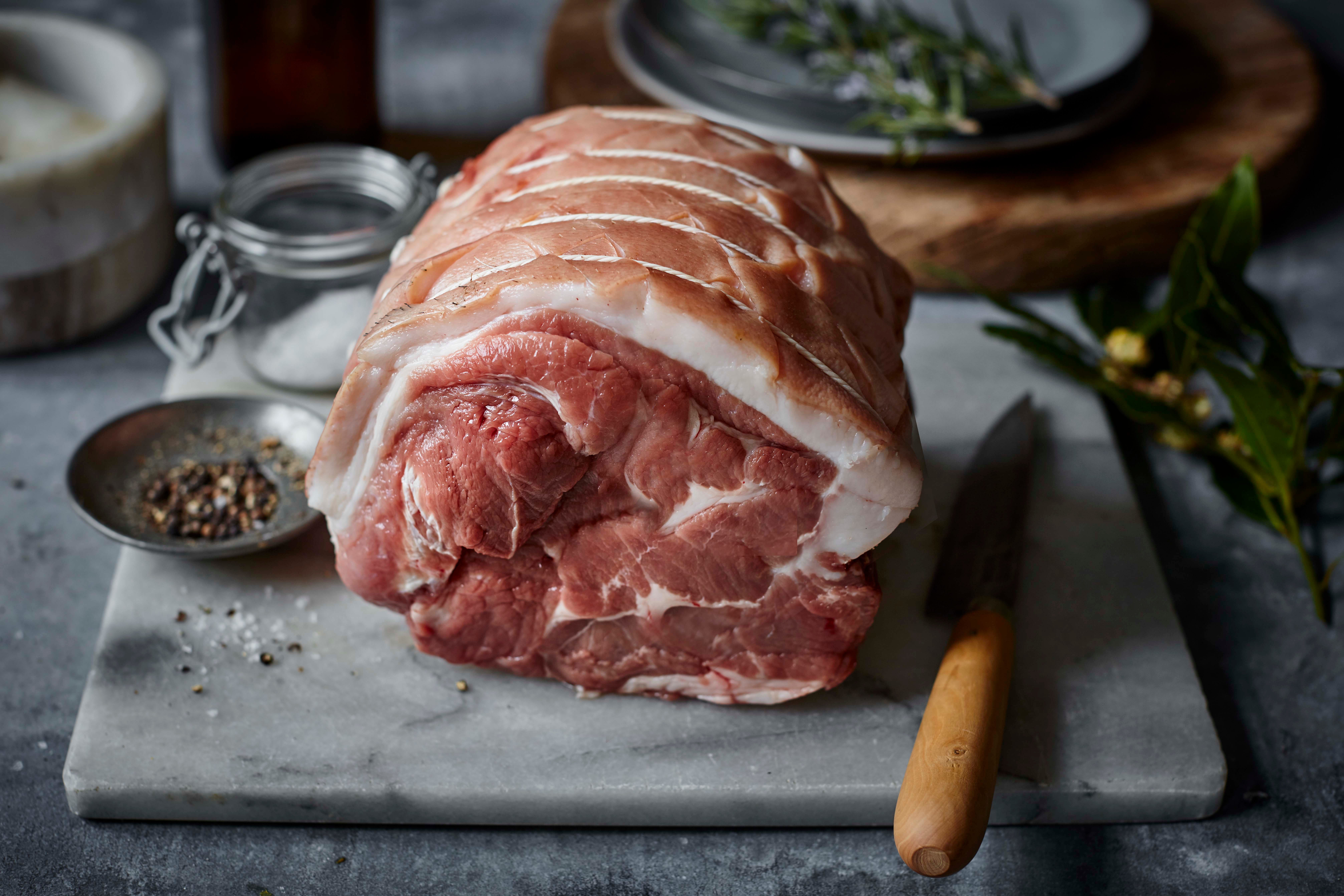
The UK meat debate keeps trying to force a choice that does not match real life. Either you drop meat entirely, or you carry on as we are. That binary might be emotionally satisfying, but it is not a serious plan for a country that says it wants to be more food secure, more self-sufficient, and more honest about welfare.
I am writing this because I have watched the meat debate get shaped by marketing, not just evidence. Because I am outspoken against factory farming, I naturally get a lot of vegan activism in my feeds. Some of it is thoughtful and some of it is designed to win a moral argument, and the line between the two is not always obvious when you are scrolling. What I keep seeing, again and again, is animal agriculture treated as the villain, when the real project is industrial systems and the way they concentrate animals, manure, and risk. Not all farming systems are equal, and pretending they are is how we end up with heat and no plan.
I do not think there is anything wrong with eating meat. Meat can be a genuinely valuable food, and I am not interested in sneering at people who prioritise it, especially the ones spending real money with a local butcher and keeping British supply chains alive.
But I also do not think we can keep eating meat at the rate we currently do and tell ourselves we are choosing the high welfare option, or the self-sufficient option, or the option that stops us outsourcing welfare and pollution. If we want a UK food system that is more resilient, and more honest about land use, then the conclusion is uncomfortable but simple.
We need better systems and fewer animals going through them.
How the debate gets stuck
A lot of campaigning energy in the UK is currently aimed at one message, that the only ethical endpoint is meat free. Sometimes that message is wrapped in climate language, sometimes in health language, sometimes in animal welfare language, and sometimes in a mix of all three. George Monbiot is one of the most influential voices in this space, and he is often right to challenge complacency and to demand that we stop treating the status quo as inevitable.
Here is what tends to happen next. If the starting point is that meat is always wrong, the conversation stops being about how food is produced and turns into a test of who is a good person. People get pushed to pick a side, and then everything else gets drowned out. That is how you end up with a public debate where the only two options anyone hears are stop eating meat completely, or ignore the problems and carry on.
That false choice suits the people who profit from cheap meat. It makes the middle position sound like weakness, when it is actually the only option that can be built in the real world.
Two different arguments
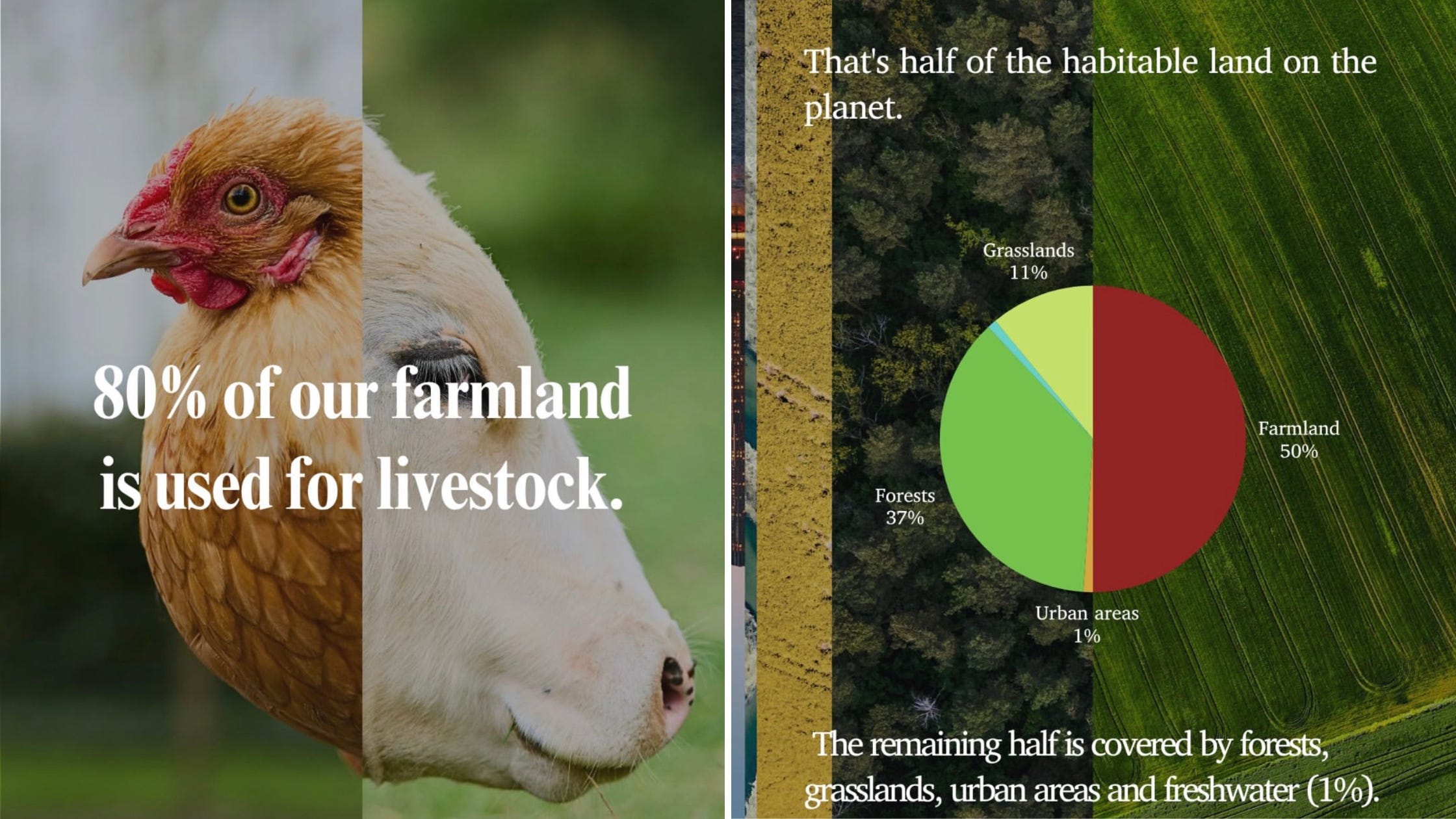
Most everyday people are not trying to be cruel. They are trying to make decent choices in a noisy world, and they are reacting to real harms. They are reacting to the scale of suffering in intensive systems. They are reacting to pollution, to antibiotic resistance, to the feeling that something is out of balance. They are reacting to the fact that climate and nature targets are being missed, while the food system keeps asking everyone to carry on.
The problem is that the argument often collapses two different claims into one.
Meat is not the same thing as factory farming.
When people say meat is bad, they often mean factory farming is bad. When they say animal agriculture is the villain, they often mean industrial systems are the villain. Those are not the same statements, and treating them as the same is how we keep the worst systems in place. It pushes consumers into guilt or defiance, and it lets the companies who profit from high volume, low margin meat carry on in the background.
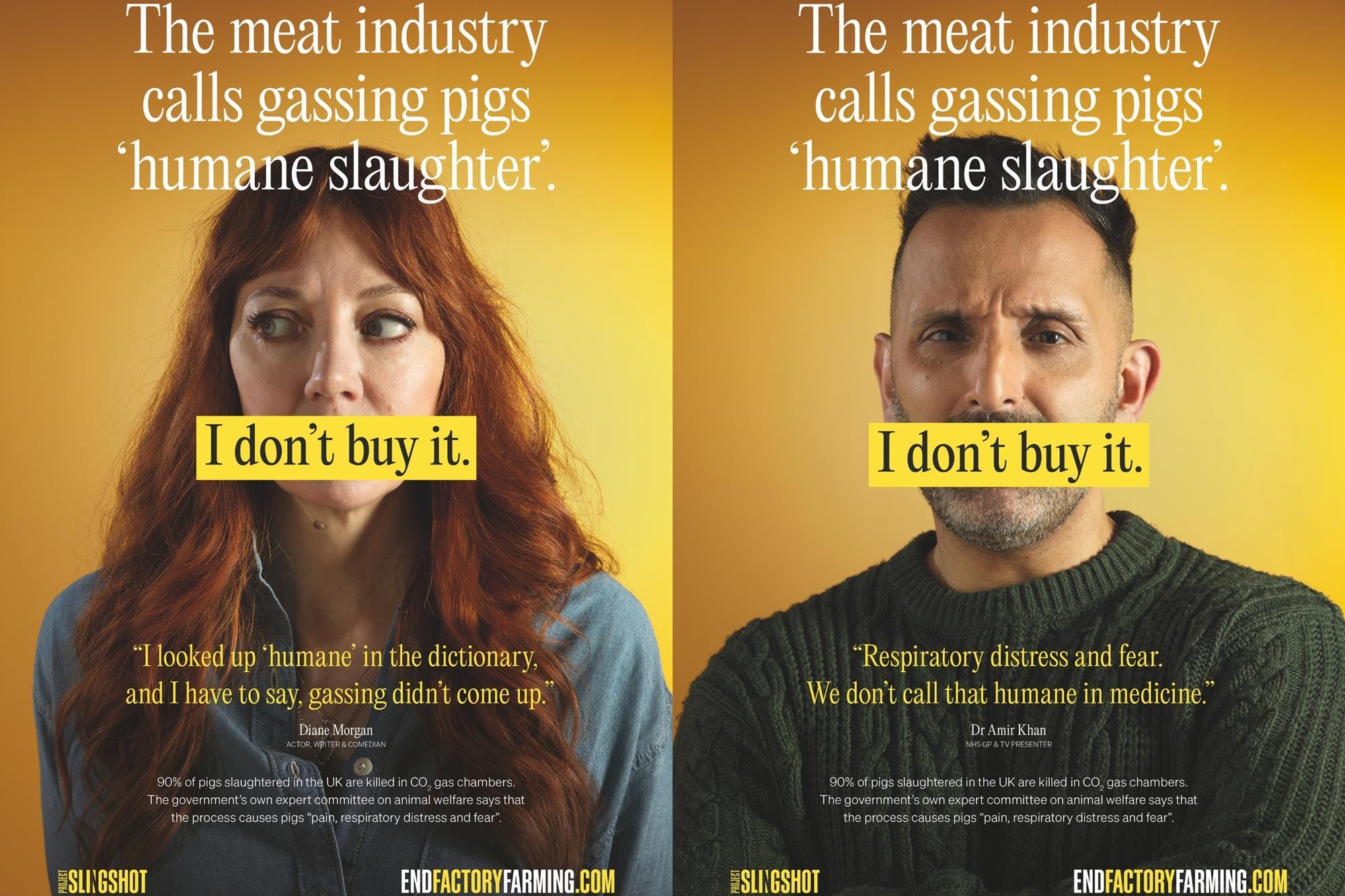
If you want a quick test for the next viral post you see, ask three questions. Are they talking about species or system. Are they talking about volume or standards. Are they talking about the UK or global averages. If the answer is species, volume, and global, then you are usually looking at a message designed to win an argument, not a plan designed to change what happens on British land. You can see that ‘I don’t buy it’ framing in real UK campaigning too, including Project Slingshot’s adverts below.
The middle ground
There is nothing wrong with eating meat. Factory farming is wrong, and it should be phased out and banned. High welfare is not a nice extra, it is the minimum standard we should be aiming for. Organic and agroecology matter for nature, biodiversity, and pollution. Food security and self-sufficiency matter for the UK, and we should not rely on imports to square the circle.
If you hold all of those things at once, you run into a constraint that no amount of online certainty can magic away.
The UK cannot supply current levels of meat consumption through high welfare, lower impact systems without either importing more, intensifying more, or eating less.
You can’t have all three
This is the triangle we keep skating around. High welfare. Self-sufficiency. Current volume. You can make progress on two, but you cannot have all three at once without trade offs.
High welfare costs money and labour. Self-sufficiency costs planning and infrastructure. Current volume costs either imports, intensification, or lower welfare. That is not a moral argument. It is a land and infrastructure argument.
This is why this is not just a personal diet choice, it is a national volume question.
The reality of land use
A lot of the loudest arguments about meat talk as if the UK is a blank sheet of paper. It is not.
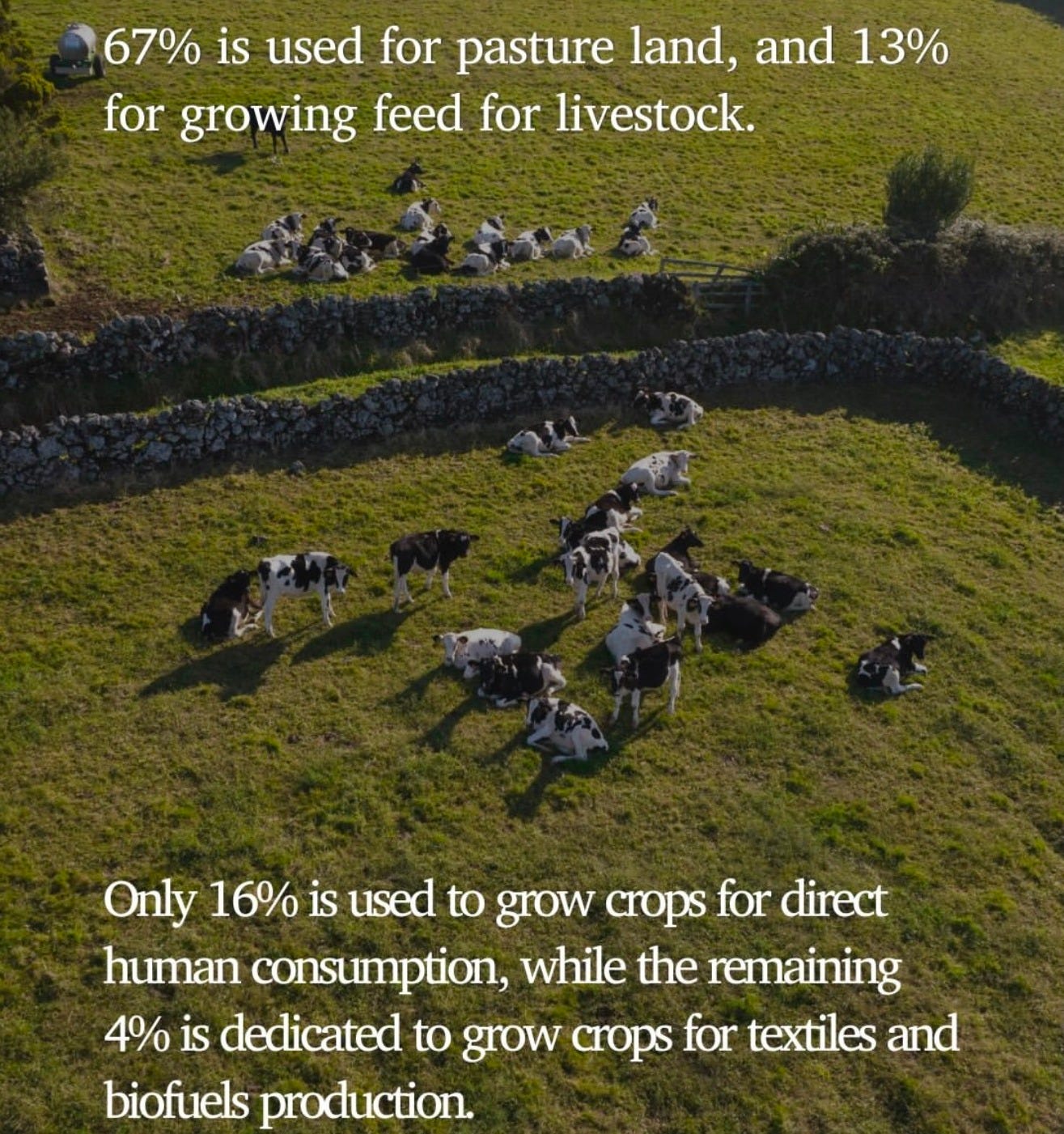
Defra (Department of Environment, Food & Rural Affairs) estimates the UK had 17.0 million hectares of utilised agricultural area in 2023, around 70% of UK land. Within that, 57% of utilised agricultural area is permanent grassland. The croppable area is just over 6.0 million hectares, around 36% of utilised agricultural area.
Defra also estimates that 85% of utilised agricultural area is used for animal feed or animal production, with assumptions. That is not a slogan. It is a broad indicator, and it is part of why this debate keeps collapsing into extremes. If you want to change what we eat and how we produce it, you have to deal with what our land can actually do, and what it cannot.
Beef and lamb are not the same land use story as pork and chicken. Ruminants can convert grass into food. Pigs and poultry rely far more on feed crops and supply chains. If you want a UK meat debate that is honest, you have to separate systems and scale, and you have to separate high welfare from legal minimum.
What the figures suggest
This is not just philosophical. It shows up in the UK’s own reporting.
Defra’s UK Food Security Report 2024 uses production-to-supply ratios as broad indicators. It puts the UK production-to-supply ratio at 62% for all food in 2023, and 75% for indigenous foods that can be produced here.
Within that, Defra reports the UK pig meat production-to-supply ratio fell from 71% in 2021 to 64% in 2023. For poultry meat, Defra shows the production-to-supply ratio dropped from 93% in 2021 to 82% in 2023.
Defra also cautions that some meat trade is not captured, including meat-based ready meals, and that these ratios are broad indicators rather than a perfect measure. The point is not to treat them as a scoreboard. The point is to stop pretending that the UK can keep eating the same volumes while also claiming we are doing high welfare, high standards, and self-sufficiency.
Where the power sits
This is where the workable middle becomes practical. Welfare is not free. Higher welfare generally means more space, more time, more labour, and more cost. If we mean it, we have to build a food economy that can pay for it, and we have to rebuild the infrastructure that makes it possible.
Defra reports that 21% of smaller abattoirs in England closed between 2018 and 2022. It also notes that four processors account for around 90% of UK poultry production. If you want to raise welfare and reduce pollution, you cannot ignore the reality that standards are shaped by concentrated infrastructure.
Factory farming isn’t the same as meat
This is where I think it is important to be precise. Compassion in World Farming is not the same as George Monbiot, and opposition to factory farming is not the same thing as opposition to meat itself.
I can agree with Compassion in World Farming on the core point that factory farming is a welfare and pollution problem, without pretending that the only ethical endpoint is a meat free country. If you want to reduce harm quickly, you target the systems that concentrate animals, concentrate manure, and concentrate risk. If you want to win a moral argument, you target meat as a category. Those are not the same project, and confusing them is one reason the UK keeps failing to build the workable middle.
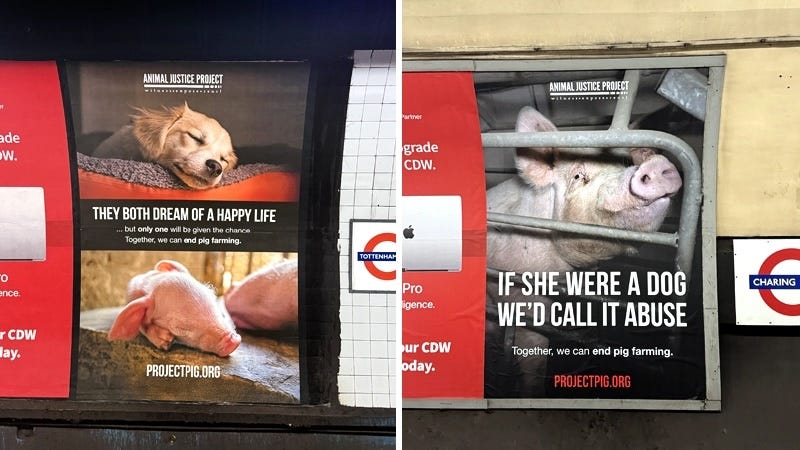
You can see how easily that gets blurred in public messaging, including the Animal Justice Project’s London Underground adverts below.
What would actually help
A serious UK approach to meat would start with a clear national aim. We want to be more food secure. We want to be more self-sufficient. We want higher welfare. We want less pollution. We want farming that protects nature and biodiversity.
Then it would act like those aims matter. It would phase out and ban new factory farms. It would reward systems that reduce pollution and improve animal welfare, and it would enforce the rules we already have. It would invest in the boring infrastructure that makes better farming possible, processing, local abattoirs, fair contracts, and planning that does not punish small scale infrastructure.
And it would stop pretending that we can have high welfare, high volume, low price, and high self-sufficiency all at once.
A simple way to choose, without turning it into a purity test
If you are an everyday consumer, you are not going to fix the food system alone. But you can make choices that reward better farming, and you can stop letting the loudest voices push you into a false choice.
If you eat meat, choose better quality and locally sourced where you can. Support the farmers and supply chains that are trying to do it properly. Be honest that higher welfare costs more, and that paying more per kilo is part of the point.
If choosing better meat means you eat less of it, that is not a failure. It is how you make space for a UK food system that is more secure, more self-sufficient, and more aligned with the standards we say we care about.
And if you want this to be easier, not harder, then aim your frustration upwards as well as inwards. Ask where your meat comes from. Ask what standards it was produced to. Ask what happens to the farmer’s margin, and who holds the power in the supply chain. Support policies that keep local abattoirs open, enforce welfare rules, and stop the expansion of factory farming.
So what do I want you to do with this
I am not asking you to feel guilty for eating meat. I am asking you to stop accepting a false choice.
Here is the farmer part that rarely gets said out loud. When the public conversation stays stuck between “meat is murder” and “leave us alone”, the people who get squeezed are not the loudest voices on either side. It is the farmers trying to do it properly. They are the ones carrying higher costs, more paperwork, and more risk, while the market keeps rewarding volume and the supply chain keeps concentrating power. If we want fewer factory farms and higher welfare meat, we have to stop treating that as a lifestyle preference and start treating it as a national choice that needs infrastructure, enforcement, and fair pricing behind it.
If this essay helped you see the workable middle a bit more clearly, I’d love you to subscribe.
Free subscribers keep the conversation honest and grounded, and paid subscribers fund the time it takes to research, write, and keep showing up for the nuance. If you know someone who’s stuck in the slogans on either side, please share this with them.
If just 5% of my readers tipped £1/$1 this essay would pay for itself in terms of time spent working on it.
Thank you so much for writing this. It is exactly what I’ve been talking about for years. I’m a vegetable farmer and we only buy local meat and eggs from farmers we know. Years ago I made this choice and what it means is, we spend a little more on meat, but we eat less of it. In Canada, we also need the kind of changes you are suggesting.
We have industrialised cruelty.